



Digital marketing keeps changing, but one thing has not changed: people still need clear information before they contact a business.
A customer may find you through Google, an ad, social media, a referral, or an AI search result. No matter where they come from, your website often becomes the place where they decide whether your business feels like the right choice.
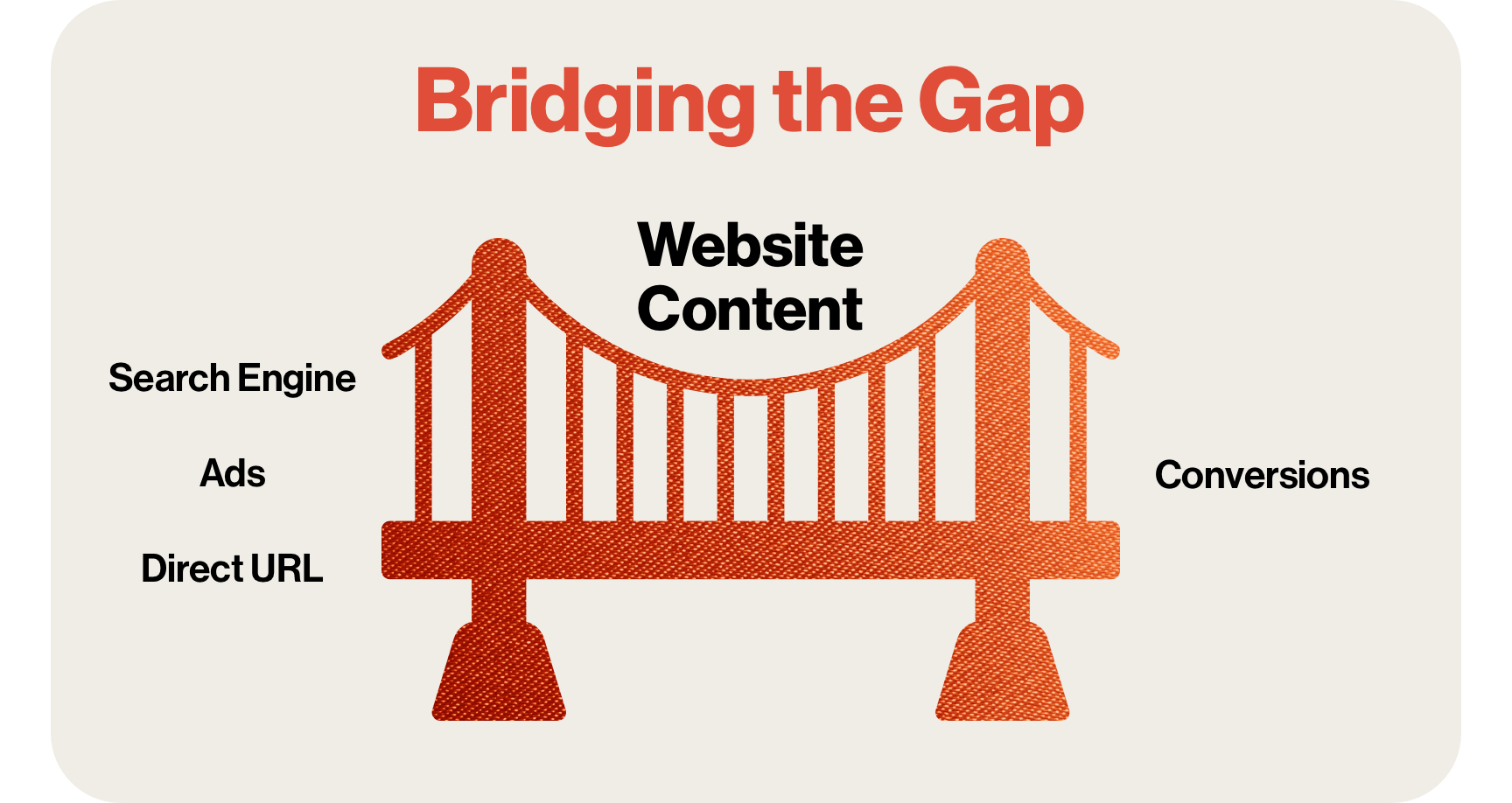
That is why helpful website content still matters in 2026. Good content does more than fill space on a page. It answers questions, explains services, builds trust, supports search visibility, and helps turn website visitors into real leads.

Customers Want Clarity Before They Call
Most people do not want to call a business just to ask basic questions. They want to understand what you offer, where you work, what the process looks like, and whether you can help with their specific needs.
Helpful website content gives them those answers upfront. That may include clear service pages, common questions, location details, project examples, pricing guidance when appropriate, and simple explanations of what to expect.
When people can quickly understand your business, they are more likely to take the next step.
Thin Website Content Can Cost You Leads
A website with short, vague, or outdated content can create doubt.
If a page only says that a company offers a service but does not explain the details, visitors may keep searching. They may wonder if the business handles their issue, serves their area, or has the experience they need.
Thin content also gives search engines less information to work with.
A stronger page gives both people and search engines a better understanding of what your business does, who you serve, and why your services are relevant.
Good Content Helps Search Engines Understand Your Business
Search engines rely on website content to understand what your business offers.
When your pages clearly explain your services, locations, customer types, and common questions, your website has a better chance of showing up for relevant searches.

This does not mean every page needs to be packed with keywords. In fact, forced keyword use can make content harder to read. The better approach is to write useful content that naturally explains your services in the same way your customers would talk about them.
AI Search Still Needs Clear Information
AI search does not make website content less important. It makes clear, specific content more important. People are now searching in more detailed ways. They may ask full questions, compare service options, or look for a business that matches a specific need.
If your website clearly answers those questions, explains your services, and shows real experience, it gives search tools better information to understand your business. Generic content is easy to overlook. Specific content is more useful.
Better Content Can Improve Ad Results
Paid ads can bring people to your website, but the landing page still must do the real work.
If someone clicks an ad and lands on a weak page, they may leave without calling, filling out a form, or booking an appointment. A strong landing page should match the ad, explain the service, answer common concerns, show trust signals, and make the next step easy.
That means better content can help protect your ad budget. It gives visitors a reason to stay, read, and act.
Trust Comes from Useful Details
People are more likely to trust a business when the website feels clear, honest, and specific. Helpful details can include team information, service explanations, before and after photos, customer reviews, certifications, process details, and examples of completed work.
These details show that the business is active, experienced, and able to help. Trust is not built by saying the same broad claims as everyone else. It is built by giving people useful information they can believe.
Helpful Content Supports the Sales Process
Good website content can also make phone calls and form submissions better. When visitors already understand your services, they often come in with better questions. They may know what they need, what area they are in, or what type of service they want to schedule.
That gives your team a stronger starting point. Instead of explaining everything from scratch, your team can focus on helping the customer take the next step.
What Helpful Website Content Should Include
A strong website does not need to be complicated. It needs to be clear and useful.
Helpful content often includes:
- Service pages that explain what you do
- Location pages that show where you work
- FAQ sections that answer common customer questions
- Blog posts that cover timely or common topics
- Project examples that show real work
- Photos that make the business feel real
- Reviews and trust signals that support credibility
- Clear calls to action that tell visitors what to do next
The goal is not to add content for the sake of adding content. The goal is to make the website more useful for the people already looking for your services.
Ready To Improve Your Website Content?
Helpful content can make your website easier to find, easier to understand, and easier to trust.
If your current pages are not saying enough, contact us. We can help turn thin or outdated content into pages that better support your customers and your goals.